
Strip Naked Punishment Complete Visual Content #854
Begin Immediately strip naked punishment first-class internet streaming. No strings attached on our content platform. Become absorbed in in a ocean of videos of documentaries offered in superb video, perfect for premium watching enthusiasts. With the newest additions, you’ll always remain up-to-date. Witness strip naked punishment organized streaming in ultra-HD clarity for a genuinely gripping time. Join our online theater today to enjoy subscriber-only media with zero payment required, no need to subscribe. Get fresh content often and venture into a collection of unique creator content produced for premium media enthusiasts. You have to watch one-of-a-kind films—click for instant download! Witness the ultimate strip naked punishment unique creator videos with breathtaking visuals and members-only picks.
Lstrip, rstrip and strip remove characters from the left, right and both ends of a string respectively However, as @jimlewis pointed out strip allows finer control By default they remove whitespace characters (space, tabs, linebreaks, etc)
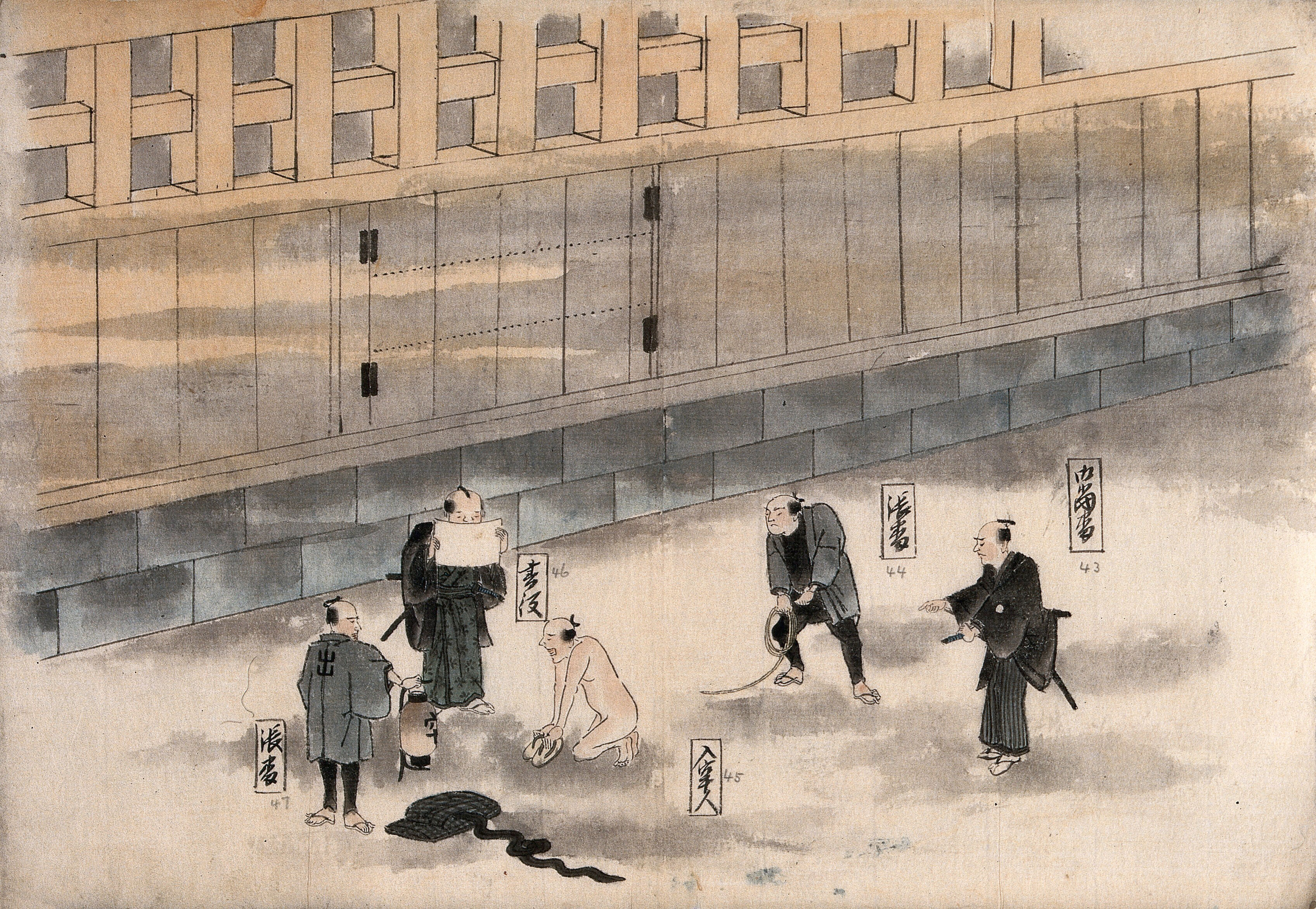
A Japanese prisoner is stripped naked and forced to kneel before
Without strip (), you can have empty keys and values They both do the same thing, removing the symbols table completely Apples<tab>round, fruity things oranges<tab>round, fruity things bananas<tab> without strip (), bananas is present in the dictionary but with an empty string as value
With strip (), this code will throw an exception because it strips the tab of the banana line.
Find answers and support for stripe, including account details, charges, refunds, subscriptions, and international assistance. 3 just to add a few examples to jim's answer, according to.strip() docs Return a copy of the string with the leading and trailing characters removed The chars argument is a string specifying the set of characters to be removed
If omitted or none, the chars argument defaults to removing whitespace. Map(str.strip, my_list) is the fastest way, it's just a little bit faster than comperhensions Use map or itertools.imap if there's a single function that you want to apply (like str.split) I know.strip() returns a copy of the string in which all chars have been stripped from the beginning and the end of the string
But i wonder why / if it is necessary.
The method strip () returns a copy of the string in which all chars have been stripped from the beginning and the end of the string (default whitespace characters) So, it trims whitespace from begining and end of a string if no input char is specified At this point, it just controls whether string x is empty or not without considering spaces because an empty string is interpreted as false in. 37 the strip() method removes whitespace by default, so there is no need to call it with parameters like '\t' or '\n'
However, strings in python are immutable and can't be modified, i.e The line.strip() call will not change the line object The result is a new string which is returned by the call. I'm trying to recreate the strip () function of python using regex

It's the last practice problem from automate the boring stuff with python
Import re stripchar = input ('enter